Table Of Content
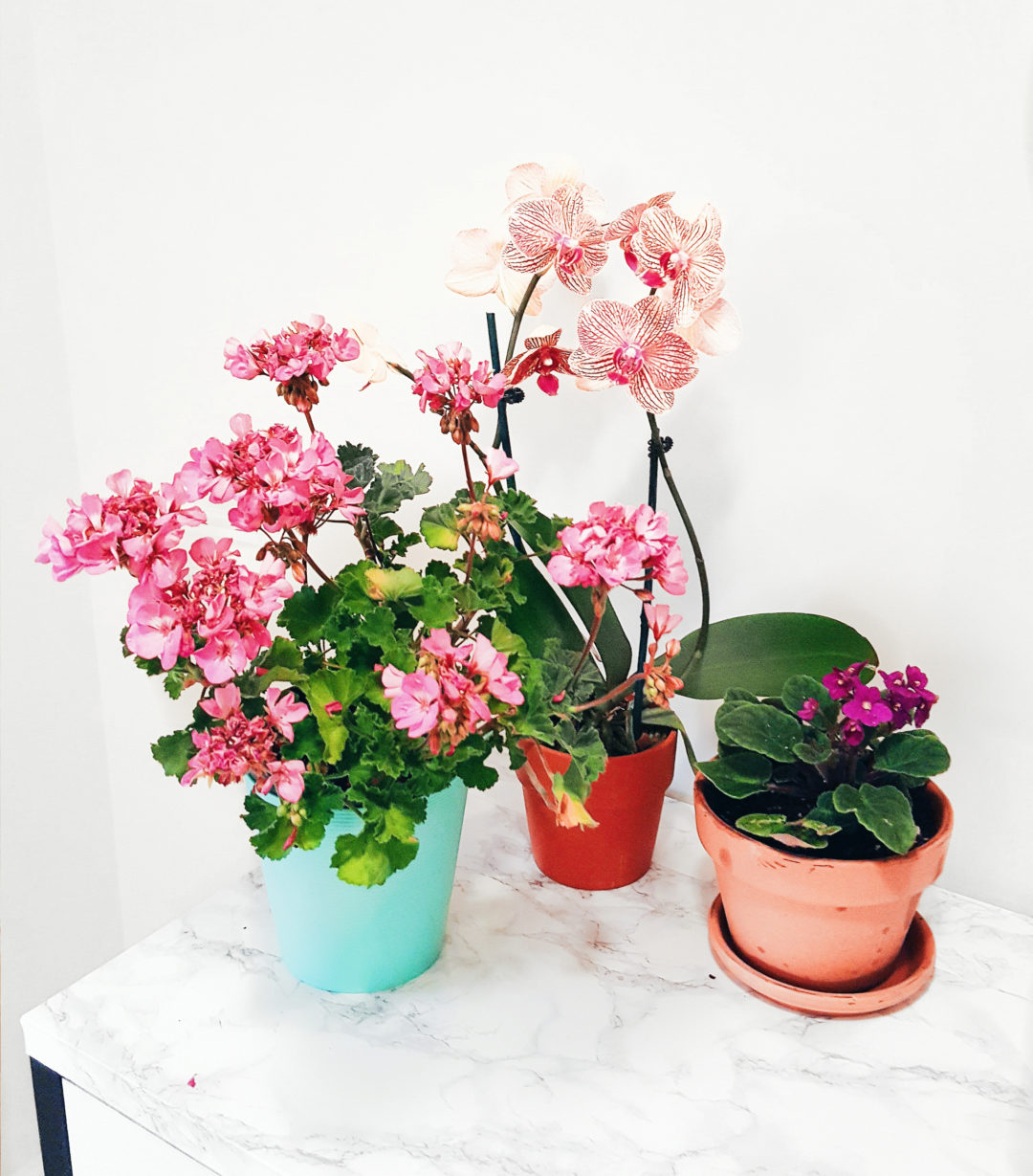
If you take it outdoors in summer, the red flowers might attract hummingbirds. Talk to the people at your local plant store or nursery for some advice. They might also suggest some other plants that are suited to your space, like aloe vera, Boston ferns, or areca palms. The Dracaena Warneckii, or Janet Craig plant, is an elegant plant with long tapered leaves that may also be able to help remove some toxins from the air, per the NASA study. But like some other plants, this plant is toxic to animals like cats and dogs, according to the ASPCA, so keep your furry friends in mind when choosing this type of plant. Overall, the evidence for using indoor plants to treat or manage specific conditions is limited — but in theory, there are very few risks to adding plants to your home.
Fiddle Leaf Fig (Ficus Lyrata)
The parlor palm is a tropical choice that’s often touted for it’s ability to clear out benzene and trichloroethylene, two chemicals that are commonly spread from furniture off-gassing. It’s low maintenance, thriving in indirect to low light and only requiring watering once every one to two weeks. The plant is also pet-friendly, so you don’t have to worry about keeping it locked up away from your fur babies. Available in a number of different varieties, this cheery plant with cool patterns grows straight up, which makes it a great choice for people with small spaces.
Why Choose Indoor House Plants for Your Home
For a less finicky fern option, go with the bird's nest fern. This one has thick, glossy leaves that hold onto moisture and humidity longer than many other types of ferns—making it the least fussy of its kind. Give it bright indirect light, and water it only when the top few inches of soil feel dry.

Pothos
If you ever get a small burn, you can simply snip off a small piece of your plant and apply the juice inside the leaf to your skin. It smells a little strange, but the pain will be instantly soothed. One of the easiest houseplants to grow, the Marble Queen Pothos is the best indoor plant for ... When growing plants in low-light conditions, keep these pointers in mind.
MEDIUM/BRIGHT, INDIRECT/FILTERED LIGHT:
Pairs of tiny heart shaped leaves are silver-grey with a rose-pink underside. The Ponytail Palm is incredibly drought-tolerant and easy to care for. Water sparingly, only when the soil has completely dried out.
Air Plant
Houseplants have an unwavering ability to bring a home to life. No matter the size or style of your space, there will be a plant to suit you. To maintain humidity, mist the leaves regularly and consider placing the pot on a tray filled with pebbles and water.
Best Air Purifying Indoor Plants
There’s nothing quite like digging in on pizza night, knowing the tomatoes and herbs came right from your own home. Gently snip a few sprigs from each plant, being sure not to remove all of the leaves from any one plant. Gently snip a few leaves from each plant, making sure not to remove all the leaves from any one plant. Beyond adding its fresh flavor to mojitos, the peppermint oil found in the leaves is an acknowledged alternative medicine treatment for IBS. Pull the entire plant out of the soil, cut off as much as you need, and then replant the ginger using the same process described above. Simply purchase a chunk of ginger at the grocery store and cover it with soil in a container, making sure the freshest-looking buds face up.
Majesty Palm
Plant it where it will have plenty of room to grow as it will eventually reach a height of 20 feet or more with a spread of 10 feet. It's a drought tolerant palm requires little irrigation once established. Grown for its silver-blue-green fronds, this variety of palm tree makes a real statement plant in your landscape with its fan-shaped foliage and graceful arching fronds. Another plus is that this palm (Brahea armata) is cold hardy in Zones 9-11.
What Is The Healthiest Indoor Plant?
Keep the soil consistently moist, but avoid overwatering as this can cause root rot. Water thoroughly and then allow the top 1-2 inches of soil to dry out before watering again. This plant is known for its ability to survive low light, extreme temperatures, and infrequent watering. As the name suggests, the Cast Iron Plant is nearly indestructible and can adapt to a wide range of conditions.
“I have a toddler and a dog that is super active, and I need plants that could survive with me forgetting to water for one week — and they exist. “Start small with simple, low-maintenance plants and let your collection grow as your knowledge base — and confidence — grows,” he advises. But once again, watch out for your pets — English ivy is toxic to cats and dogs, according to the ASPCA. A number of studies have suggested they’re good for the air quality in your home, too. Tending to any kind of plant can be beneficial for your mental health.
21 Best Hanging Indoor Plants to Maximize Vertical Space - Better Homes & Gardens
21 Best Hanging Indoor Plants to Maximize Vertical Space.
Posted: Wed, 10 Apr 2024 07:00:00 GMT [source]
Because of their small size, they look darling on the window sill in front of your sink. Make a statement in a space that gets a lot of foot traffic. "The living room is your respite from the outside, as well as your cozy collaboration space with friends and family," Satch said. "Show off your elegant side with a bird of paradise or rubber tree plant. Or, show off your colorful and fun side with philodendrons, begonias, or cacti and succulents." No matter which variety of alocasia you choose, this popular houseplant is bound to make a wow-worthy statement in your home. Each features unique leaves with striking veining and essentially doubles as a piece of sculptural art.
However, there are certain indoor plants that people tend to reach for over others. One is a bamboo palm, which gives the appearance of a mini palm tree inside your home. A philodendron also has pretty green leaves that easily brighten up a space, while succulents tend to be crowd-pleasers. Consider a bromeliad, which offers fuchsia, orange, yellow or red foliage. If you’re open to trying out a more fickle plant, an orchid will give you beautiful flowers — they just require a little more management than some of their hardier cousins. Peace lilies are known as some of the best plants for beginners, as they’re easy to care for and give plenty of visual clues about their needs.
Known for their lipstick red or dusky pink blooms, anthurium are gaining traction on the list of best houseplants. Most palm trees like a warm, sheltered spot in a backyard and dry conditions in winter, as extreme cold and overly wet conditions can easily kill them. Be prepared to wrap them for protection if frost is an issue where you live, at least until they’re well established. If your palm tree is cold-sensitive, again the best place to plant it is in a sheltered courtyard to protect it from chill winter weather. Plants add a piece of nature, a pop of color, and a sculptural accent to a room that you spend a lot of time in—your living room. Azaleas are the ultimate front-door plant—they offer vibrant blooms, attractive foliage, and are manageable to care for.
They have glossy, leathery leaves, and a strong upright form, making them a great floor plant. They like bright light and need to be watered when the soil is slightly dry to the touch. A few different plants in the Monstera family go by this common name.
It's no surprise, given its set-it-and-forget-it vibe (sunny window and minimal watering) and the beauty and health benefits you can reap from the gel inside the leaves. Alocasia cuprea bears large, leathery heart-shaped leaves in a variety of colours. Grow in bright light to partial shade, with a good degree of humidity - a bright bathroom is ideal.
Indoor plant ideas abound on The Spruce, and we're here to take you through some of our favorite options. Croton's colorful foliage is a showstopper—and is a common reason this plant's hit the best-seller lists of many plant sites. The Areca palm thrives in indirect sunlight—but don't overwater this grand beauty. These big and beautiful palm trees (also known as the butterfly palm or the bamboo palm) make a statement in your room, growing up to 8 feet tall. Money trees (AKA Guiana chestnut) have become a houseplant staple, due to their ability to thrive in a typical indoor environment.